Balaur
Balaur bondoc
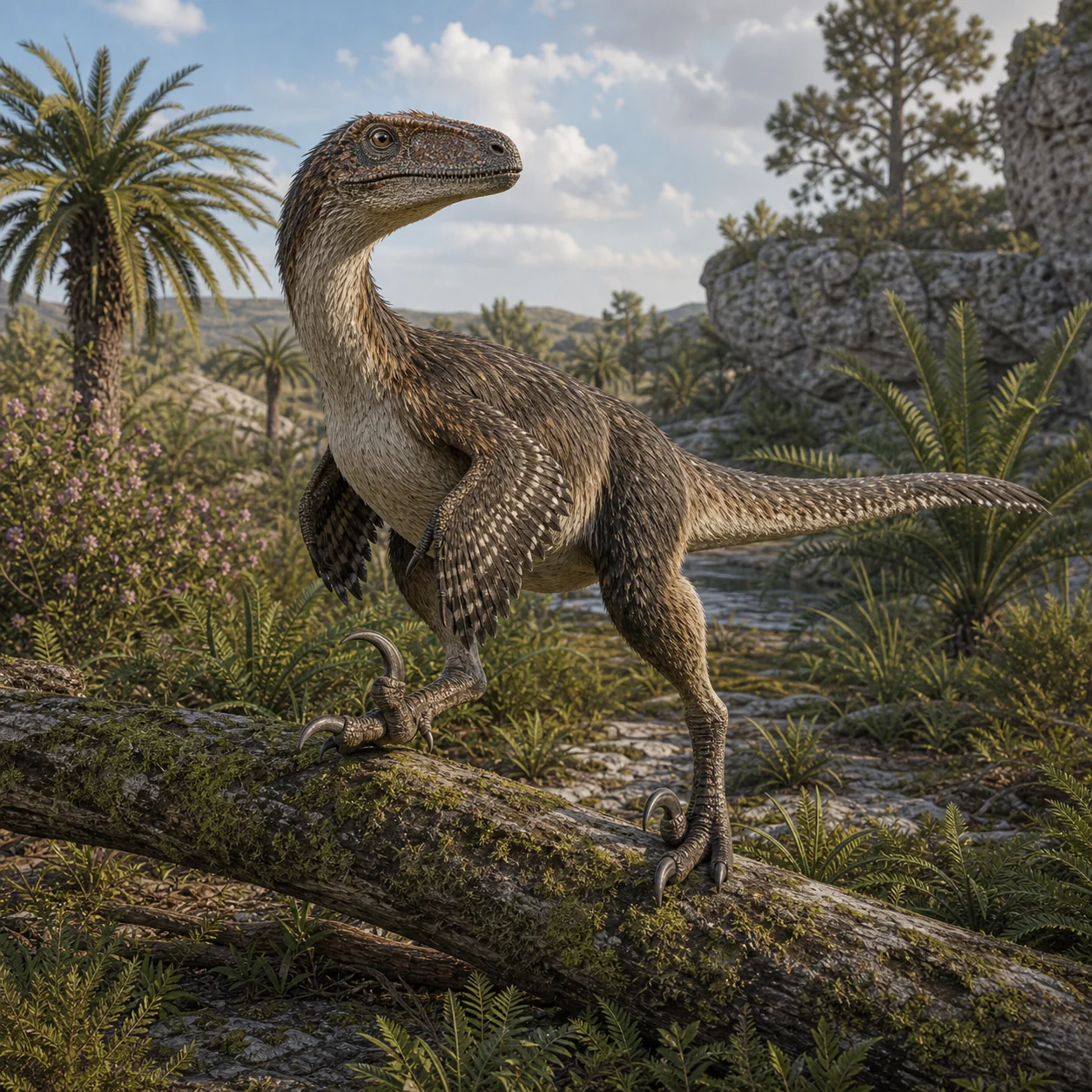
Balaur foi um dromeossaurídeo carnívoro do Cretáceo, descrito por Csiki et al.. Viveu há aproximadamente 72.2-68.0 milhões de anos, na região do que hoje é Europa. Medindo de 1.8-2.2 m, pesando 10-15 kg, era um representante característico da fauna mesozoica.
Balaur bondoc is a species of paravian theropod dinosaur from the late Cretaceous period, in what is now Romania. It is the type species of the monotypic genus Balaur, after the balaur (Romanian pronunciation: [baˈla.ur]), a dragon of Romanian folklore. The specific name bondoc (Romanian pronunciation: [bonˈdok]) means "stocky", so Balaur bondoc means "stocky dragon" in Romanian. This name refers to the greater musculature that Balaur had compared to its relatives. The genus, which was first described by scientists in August 2010, is known from two partial skeletons (including the type specimen). Some researchers suggest that the taxon might represent a junior synonym of Elopteryx.
Fossils of Balaur were found in the Densuș-Ciula and Sebeș Formations of Cretaceous Romania which correspond to Hațeg Island, a subtropical island in the European archipelago of the Tethys sea approximately 70 million years ago. Hațeg Island is commonly referred to as the "Island of the Dwarf Dinosaurs" on account of the extensive fossil evidence that its native dinosaurs exhibited island syndrome, a collection of morphological, ecological, physiological and behavioural differences compared with their continental counterparts. Examples included island gigantism of Hatzegopteryx, island dwarfism of the titanosaur Magyarosaurus dacus, and a reduction in flight capacity in Balaur.
Balaur may have been a basal avialan, a group that includes modern birds based on phylogenetic analysis, though some researchers still include the genus within Velociraptorinae as its original description or alternatively within Unenlagiinae.…
- Família
- Dromaeosauridae
- Ordem
- Saurischia
- Período
- Cretaceous (72.2-68.0 MYA)
- Dieta
- Carnivore
- Comprimento
- 1.8-2.2 m
- Peso
- 10-15 kg
Fatos científicos
- Com apenas 1.8-2.2 m, era considerado um dinossauro de pequeno porte
- Possuía garras falciformes retráteis usadas para imobilizar presas — não para cortar
- Seus fósseis foram encontrados na região de Europa, contribuindo para o entendimento da fauna cretáceo local
- Foi descrito cientificamente por Csiki et al., contribuindo para o entendimento da diversidade dinossauriana