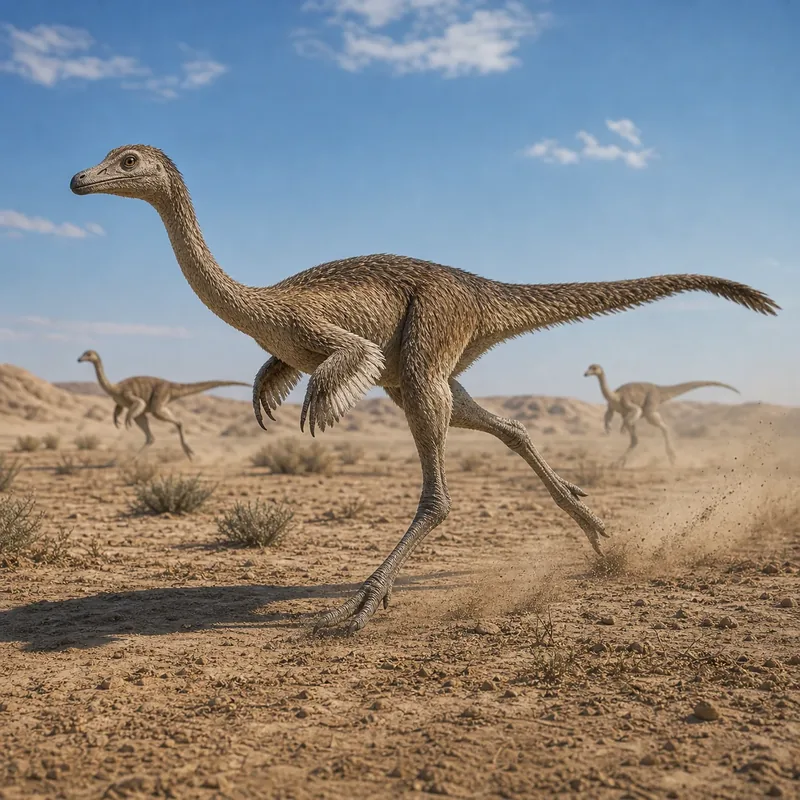
Cretaceous
Sinornithomimus
Sinornithomimus dongi
The catalogue presents Sinornithomimus as a omnivore member of Ornithomimidae that lived during the Cretaceous, between 93.9–89.8 Ma. Its estimated range is 2.5–3.0 m in length and 40–60 kg in mass, giving a practical sense of scale. Reference material comes from Ulansuhai Formation, Inner Mongolia, China. Size and mass are approximations and may change with new fossils or methods.
Evidence-backed summary
For Sinornithomimus, the PBDB records the taxonomic attribution as Kobayashi and Lü (2003).
The PBDB places it in Ornithomimidae, and the catalogue record assigns it to the family Ornithomimidae.
- PBDB · taxon.parent
- Ornithomimidae
In the PBDB record, the reported stratigraphic range is the Turonian.
The PBDB catalogues 1 occurrence, with material from the Ulansuhai Formation (1). Provenance: China.
The catalogue records the holotype as IVPP V11797 and the type locality as “Ulansuhai Formation, Inner Mongolia, China”.
- IVPP V11797
- Ulansuhai Formation, Inner Mongolia, China
The catalogue's reference measurements are 2.5–3.0 m in length and 40–60 kg in mass — estimates, which vary with specimen and method.
- 2.5-3.0 m
- 40-60 kg
The record gathers 9 bibliographic references registered in the PBDB, listed below.
Where it lived
Fossil occurrences on today’s map and in the tectonic reconstruction.
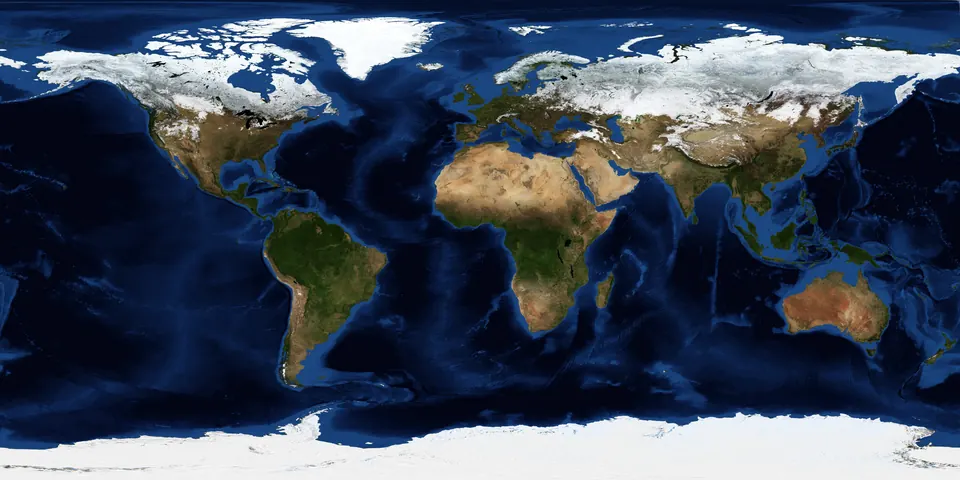
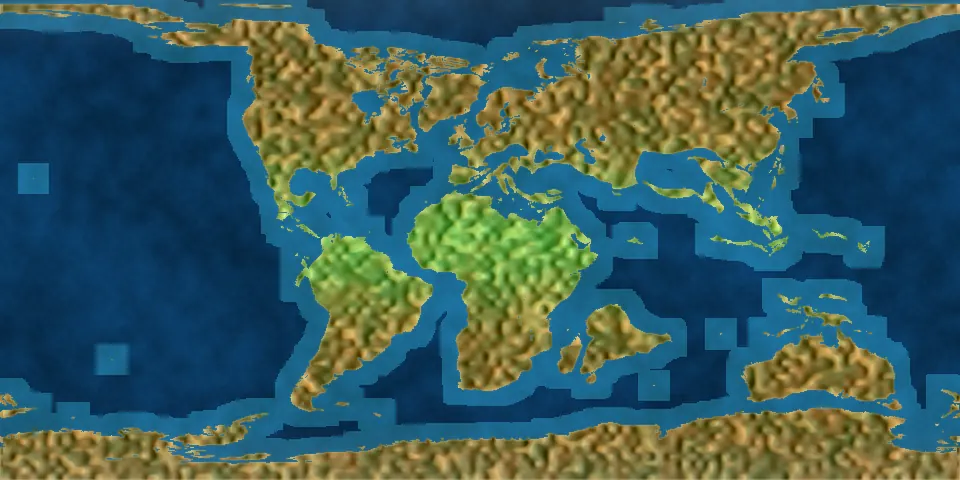
Positions reconstructed by PBDB/GPlates, not observed; this is not an exact habitat map.
Artistic 3D reconstruction
There is no approved species-specific 3D model yet. Generic anatomy will not be presented as if it were evidence.
Physical Specifications
- Length
- 2.5–3.0 m
- Weight
- 40–60 kg
- Period
- Cretaceous
- Time range
- 93.9–89.8 Ma
Discovery Information
- First Discovery
- 1997
- Described by
- Kobayashi & Lü
Taxonomic Classification
- Kingdom
- Animalia
- Phylum
- Chordata
- Class
- Reptilia
- Order
- Saurischia
- Family
- Ornithomimidae
- Genus
- Sinornithomimus
- Species
- d. dongi
Data status
Taxonomic name matched to PBDB and checked on 2026-08-08.
Taxonomic linkage does not automatically validate size, mass, behaviour or appearance.
- Type specimen
- IVPP V11797
- Type locality
- Ulansuhai Formation, Inner Mongolia, China