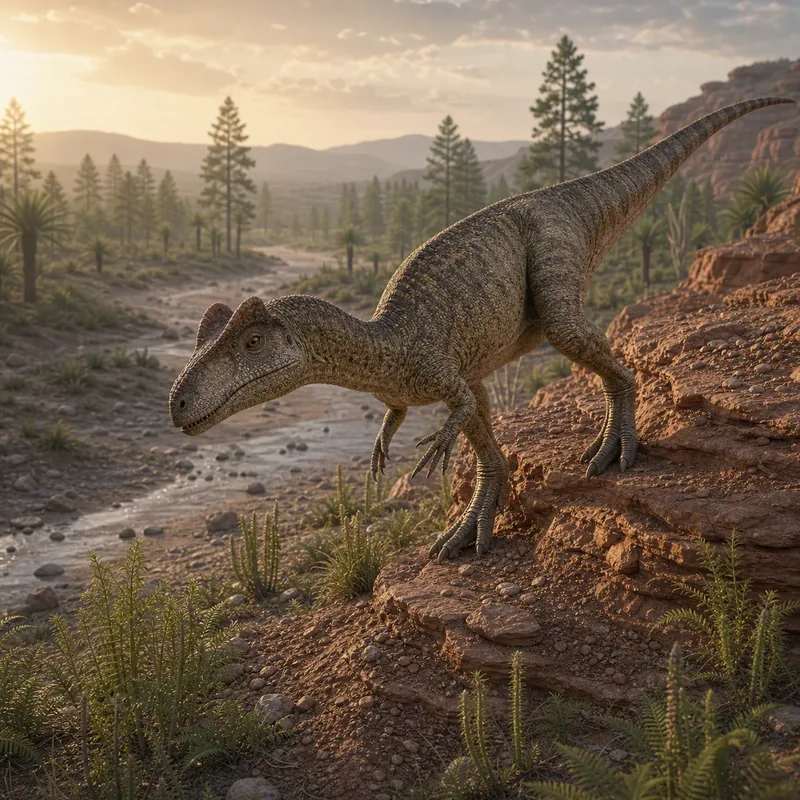
Jurassic
Dracovenator
Dracovenator regenti
The catalogue presents Dracovenator as a carnivore member of Dilophosauridae that lived during the Jurassic, between 201.3–196.5 Ma. Its estimated range is 5.0–6.0 m in length and 200–400 kg in mass, giving a practical sense of scale. Reference material comes from Elliot Formation, Free State, South Africa. Size and mass are approximations and may change with new fossils or methods.
Evidence-backed summary
For Dracovenator, the PBDB records the taxonomic attribution as Yates (2005).
The PBDB places it in Neotheropoda, and the catalogue record assigns it to the family Dilophosauridae.
- PBDB · taxon.parent
- Dilophosauridae
In the PBDB record, the reported stratigraphic range runs from the Hettangian to the Sinemurian.
The PBDB catalogues 2 occurrences, with material from the Elliot Formation (2). Provenance: South Africa.
The catalogue records the holotype as BP/1/5243 and the type locality as “Elliot Formation, Free State, South Africa”.
- BP/1/5243
- Elliot Formation, Free State, South Africa
The catalogue's reference measurements are 5.0–6.0 m in length and 200–400 kg in mass — estimates, which vary with specimen and method.
- 5.0-6.0 m
- 200-400 kg
The record gathers 1 bibliographic references registered in the PBDB, listed below.
Where it lived
Fossil occurrences on today’s map and in the tectonic reconstruction.
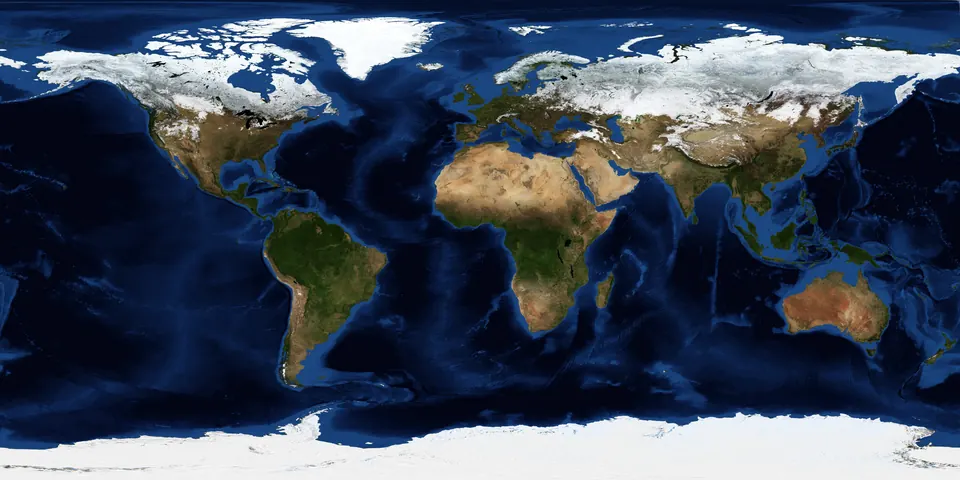
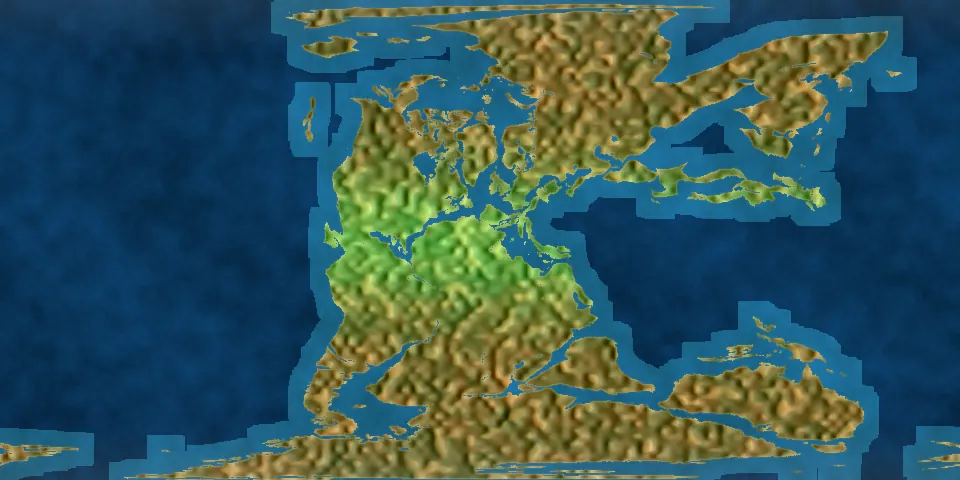
Positions reconstructed by PBDB/GPlates, not observed; this is not an exact habitat map.
Artistic 3D reconstruction
There is no approved species-specific 3D model yet. Generic anatomy will not be presented as if it were evidence.
Physical Specifications
- Length
- 5.0–6.0 m
- Weight
- 200–400 kg
- Period
- Jurassic
- Time range
- 201.3–196.5 Ma
Discovery Information
- First Discovery
- 2007
- Described by
- Yates
Taxonomic Classification
- Kingdom
- Animalia
- Phylum
- Chordata
- Class
- Reptilia
- Order
- Saurischia
- Family
- Dilophosauridae
- Genus
- Dracovenator
- Species
- D. regenti
Data status
Taxonomic name matched to PBDB and checked on 2026-08-08.
Taxonomic linkage does not automatically validate size, mass, behaviour or appearance.
- Type specimen
- BP/1/5243
- Type locality
- Elliot Formation, Free State, South Africa