Tawa
Tawa hallae
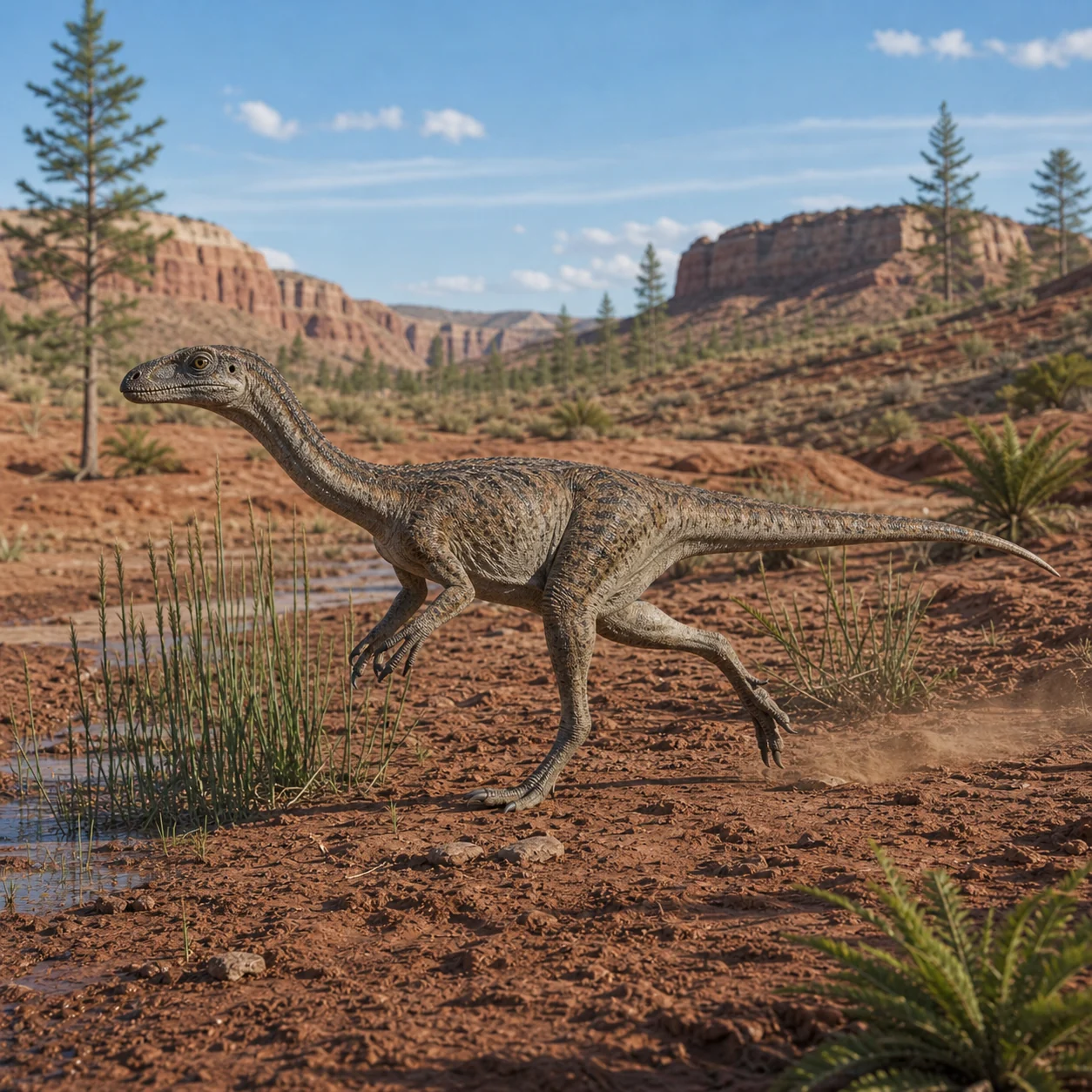
Tawa foi um terópode carnívoro do Triássico, descrito por Sterling Nesbitt. Viveu há aproximadamente 214 milhões de anos, na região do que hoje é América do Norte (EUA). Medindo de 2.0 m, pesando 15 kg, era um representante característico da fauna mesozoica.
Tawa (named after the Hopi word for the Puebloan sun god) is a genus of possible basal theropod dinosaurs from the Late Triassic period. The fossil remains of Tawa hallae, the type and only species were found in the Hayden Quarry of Ghost Ranch, New Mexico, US. Its discovery alongside the relatives of Coelophysis and Herrerasaurus supports the hypothesis that the earliest dinosaurs arose in Gondwana during the early Late Triassic period in what is now South America, and radiated from there around the globe. The specific name honours Ruth Hall, founder of the Ghost Ranch Museum of Paleontology.
- Família
- Tawasauridae
- Ordem
- Saurischia
- Período
- Triassic (214 Ma)
- Dieta
- Carnivore
- Comprimento
- 2.0 m
- Peso
- 15 kg
Fatos científicos
- Medindo 2.0 m, tinha porte médio para os padrões mesozoicos
- Como carnívoro do Triássico, ocupava papel de predador ativo em seu ecossistema
- Seus fósseis foram encontrados na região de América do Norte (EUA), contribuindo para o entendimento da fauna triássico local
- Vivendo há 214Ma, é um dos dinossauros mais antigos catalogados
- Foi descrito cientificamente por Sterling Nesbitt, contribuindo para o entendimento da diversidade dinossauriana