Scipionyx
Scipionyx samniticus
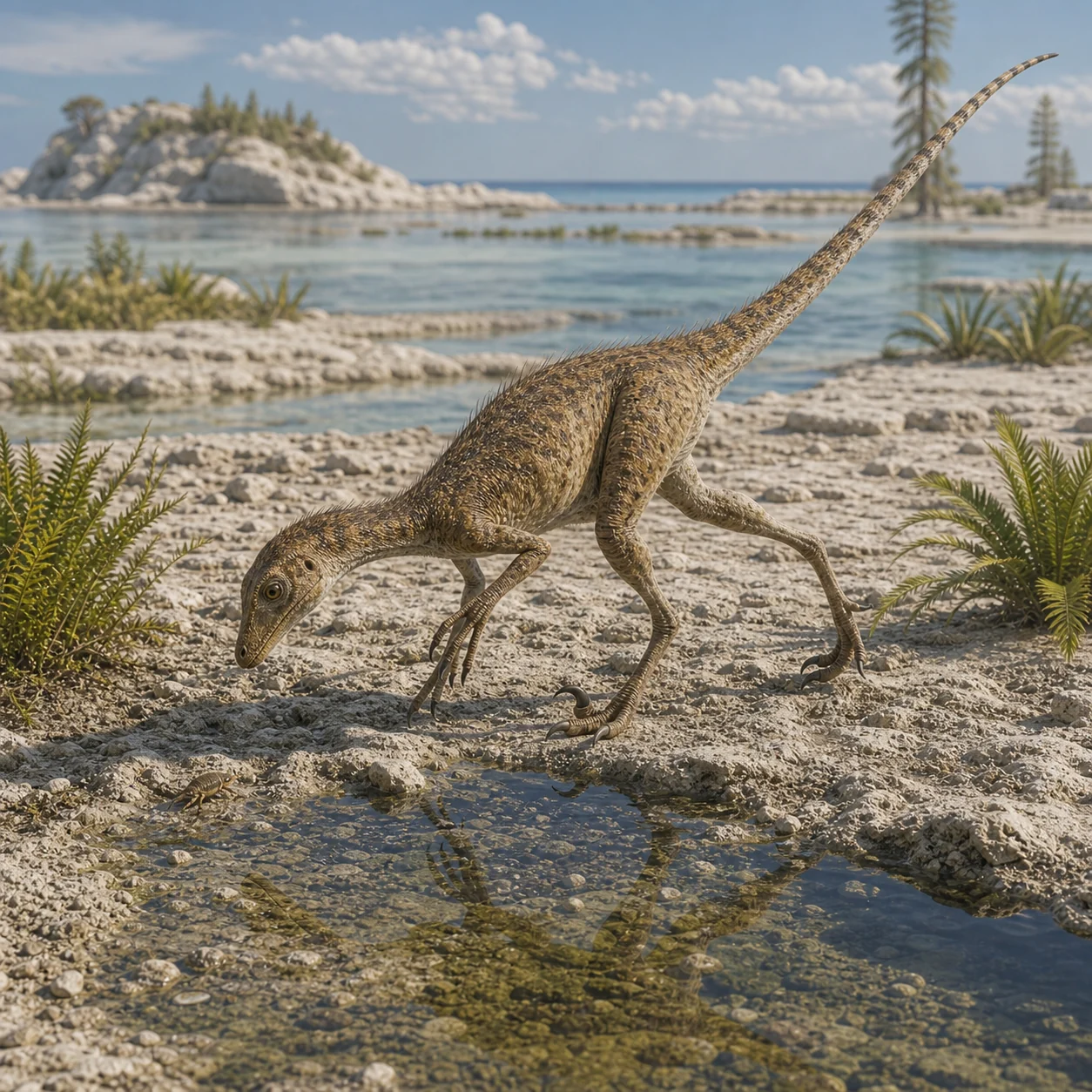
Scipionyx foi um terópode carnívoro do Cretáceo, descrito por Dal Sasso & Signore. Viveu há aproximadamente 113 milhões de anos, na região do que hoje é descoberto em múltiplos continentes. Medindo de 2.0 m, pesando 5 kg, era um representante característico da fauna mesozoica.
Scipionyx ( SHIH-pee-oh-nicks-, ship-ee-OH-) was a genus of theropod dinosaur from the Early Cretaceous Pietraroja Formation of Italy, around 113 million years ago.
There is only one fossil known of Scipionyx, discovered in 1981 by an amateur paleontologist and brought to the attention of science in 1993. In 1998 the type species Scipionyx samniticus was named, the generic name meaning "Scipio's claw". The find generated much publicity because of the unique preservation of large areas of petrified soft tissue and internal organs such as muscles and intestines. The fossil shows many details of these, even the internal structure of some muscle and bone cells. It was also the first dinosaur found in Italy. Because of the importance of the specimen, it has been intensely studied.
The fossil is that of a juvenile that was most likely a baby, at only 46.1 centimetres (18.1 in) long, and perhaps just three days old. Its adult form and size is unknown. Scipionyx was a bipedal predator, its horizontal rump balanced by a long tail. Its body was probably covered by primitive feathers but these have not been found in the fossil, that is without any skin remains. In the guts of the fossil some half-digested meals are still present, indicating Scipionyx ate lizards and fish. Several scientists have tried to learn from the position of the internal organs how Scipionyx breathed, but their conclusions often disagree.
The classification of Scipionyx is uncertain, due to the difficulties of classifying a taxon known only from such a young specimen.…
- Família
- Compsognathidae
- Ordem
- Saurischia
- Período
- Cretaceous (113 Ma)
- Dieta
- Carnivore
- Comprimento
- 2.0 m
- Peso
- 5 kg
Fatos científicos
- Medindo 2.0 m, tinha porte médio para os padrões mesozoicos
- Como carnívoro do Cretáceo, ocupava papel de predador ativo em seu ecossistema
- Seus fósseis foram encontrados na região de descoberto em múltiplos continentes, contribuindo para o entendimento da fauna cretáceo local
- Foi descrito cientificamente por Dal Sasso & Signore, contribuindo para o entendimento da diversidade dinossauriana