Ornithomimus
Ornithomimus velox
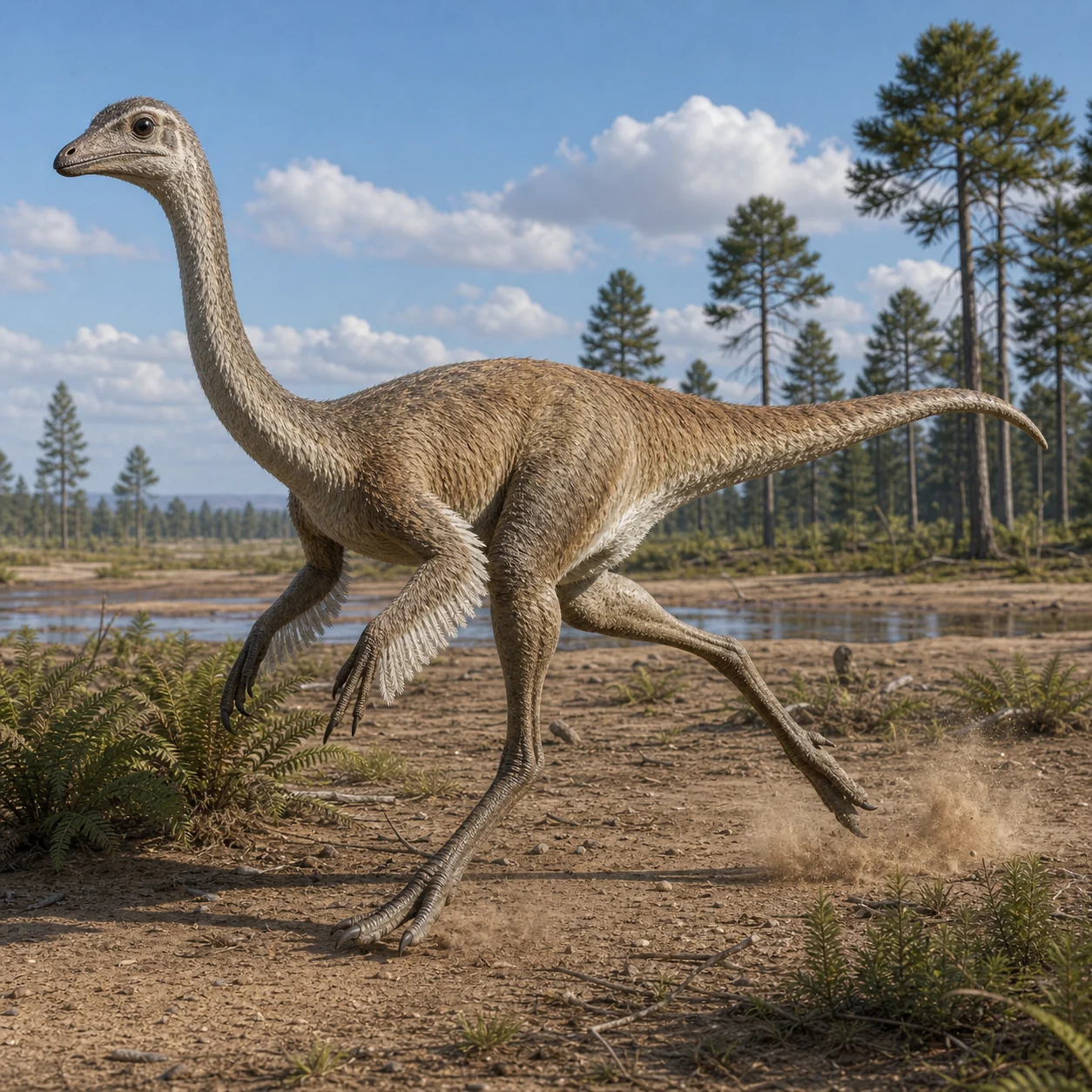
Ornithomimus foi um ornitomimídeo onívoro do Cretáceo, descrito por Othniel Charles Marsh. Viveu há aproximadamente 76.5-72.0 milhões de anos, na região do que hoje é América do Norte (EUA). Medindo de 3.8-4.5 m, pesando 150-200 kg, era um representante característico da fauna mesozoica.
Ornithomimus (; "bird mimic") is a genus of ornithomimid theropod dinosaurs from the Campanian and Maastrichtian ages of the Late Cretaceous in western North America. Ornithomimus was a swift, bipedal dinosaur which was covered in feathers and equipped with a small toothless beak that may indicate an omnivorous diet. It is usually classified into two species: the type species, Ornithomimus velox, and a referred species, Ornithomimus edmontonicus.
O. velox was named in 1890 by Othniel Charles Marsh on the basis of a foot and partial hand from the Denver Formation of Colorado. Other seventeen species have been named since then, though almost all of them have been subsequently assigned to new genera or shown not to be directly related to O. velox. The best material of species still considered part of the genus has been found in Alberta, representing the species O. edmontonicus, known from several skeletons from the Horseshoe Canyon Formation. Additional species and specimens from other formations are sometimes classified in the genus, such as Ornithomimus samueli (alternatively classified in the genera Dromiceiomimus or Struthiomimus) from the earlier Dinosaur Park Formation.
- Família
- Ornithomimidae
- Ordem
- Saurischia
- Período
- Cretaceous (76.5-72.0 MYA)
- Dieta
- Omnivore
- Comprimento
- 3.8-4.5 m
- Peso
- 150-200 kg
Fatos científicos
- Medindo 3.8-4.5 m, tinha porte médio para os padrões mesozoicos
- Seus fósseis foram encontrados na região de América do Norte (EUA), contribuindo para o entendimento da fauna cretáceo local
- Foi descrito cientificamente por Othniel Charles Marsh, contribuindo para o entendimento da diversidade dinossauriana