Alioramus
Alioramus remotus
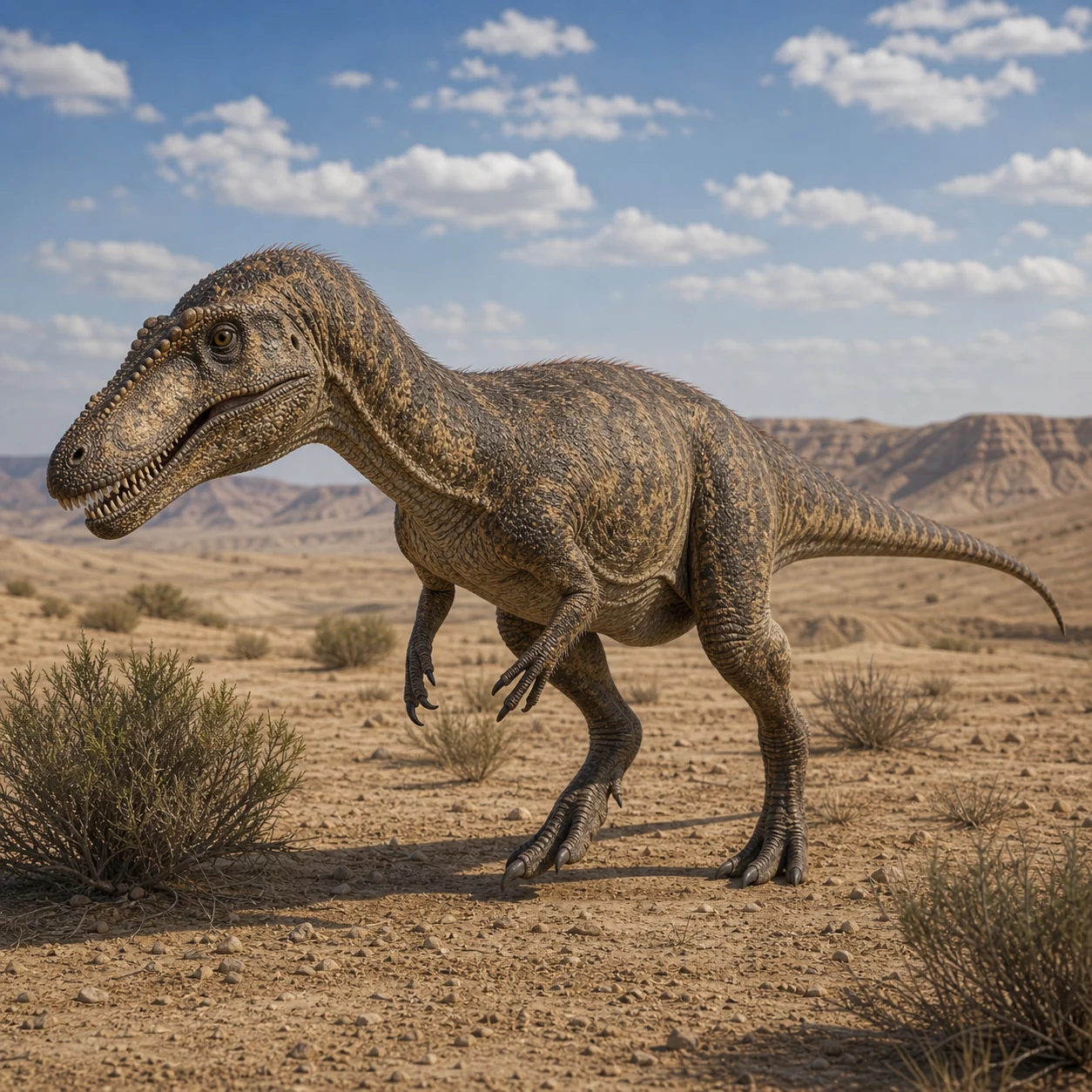
Alioramus foi um tiranossaurídeo carnívoro do Cretáceo, descrito por Sergei Kurzanov. Viveu há aproximadamente 70.0-66.0 milhões de anos, na região do que hoje é Mongólia. Medindo de 5.0-6.0 m, pesando 700-1000 kg, era um representante característico da fauna mesozoica.
Alioramus (; meaning 'different branch') is a genus of tyrannosaurid theropod dinosaurs from the Late Cretaceous period of Asia. It currently contains two species. The type species, A. remotus is known from a partial skull and three foot bones recovered from the Mongolian Nemegt Formation, which was deposited in a humid floodplain. These remains were named and described by Soviet paleontologist Sergei Kurzanov in 1976. A second species, A. altai, known from a much more complete skeleton also from the Nemegt Formation, was named and described by Stephen L. Brusatte and colleagues in 2009. Its relationships to other tyrannosaurid genera were at first unclear, with some evidence supporting a hypothesis that Alioramus was closely related to the contemporary species Tarbosaurus bataar. However, the discovery of Qianzhousaurus indicates that it belongs to a distinct branch of tyrannosaurs, namely the tribe Alioramini.
Alioramus were bipedal like all known theropods, and their sharp teeth indicate that they were carnivores. Known specimens were smaller than other tyrannosaurids like Tarbosaurus bataar and Tyrannosaurus rex, but their adult size is difficult to estimate since both Alioramus species are known only from juvenile or sub-adult remains. The genus Alioramus is characterized by a row of five bony crests along the top of the snout, a greater number of teeth than any other genus of tyrannosaurid, and a lower skull than most other tyrannosaurids.
- Família
- Tyrannosauridae
- Ordem
- Saurischia
- Período
- Cretaceous (70.0-66.0 MYA)
- Dieta
- Carnivore
- Comprimento
- 5.0-6.0 m
- Peso
- 700-1000 kg
Fatos científicos
- Medindo 5.0-6.0 m, tinha porte médio para os padrões mesozoicos
- Força de mordida excepcional capaz de triturar ossos — marcas ósseas confirmam esse comportamento
- Seus fósseis foram encontrados na região de Mongólia, contribuindo para o entendimento da fauna cretáceo local
- Foi descrito cientificamente por Sergei Kurzanov, contribuindo para o entendimento da diversidade dinossauriana