Noasaurus
Noasaurus leali
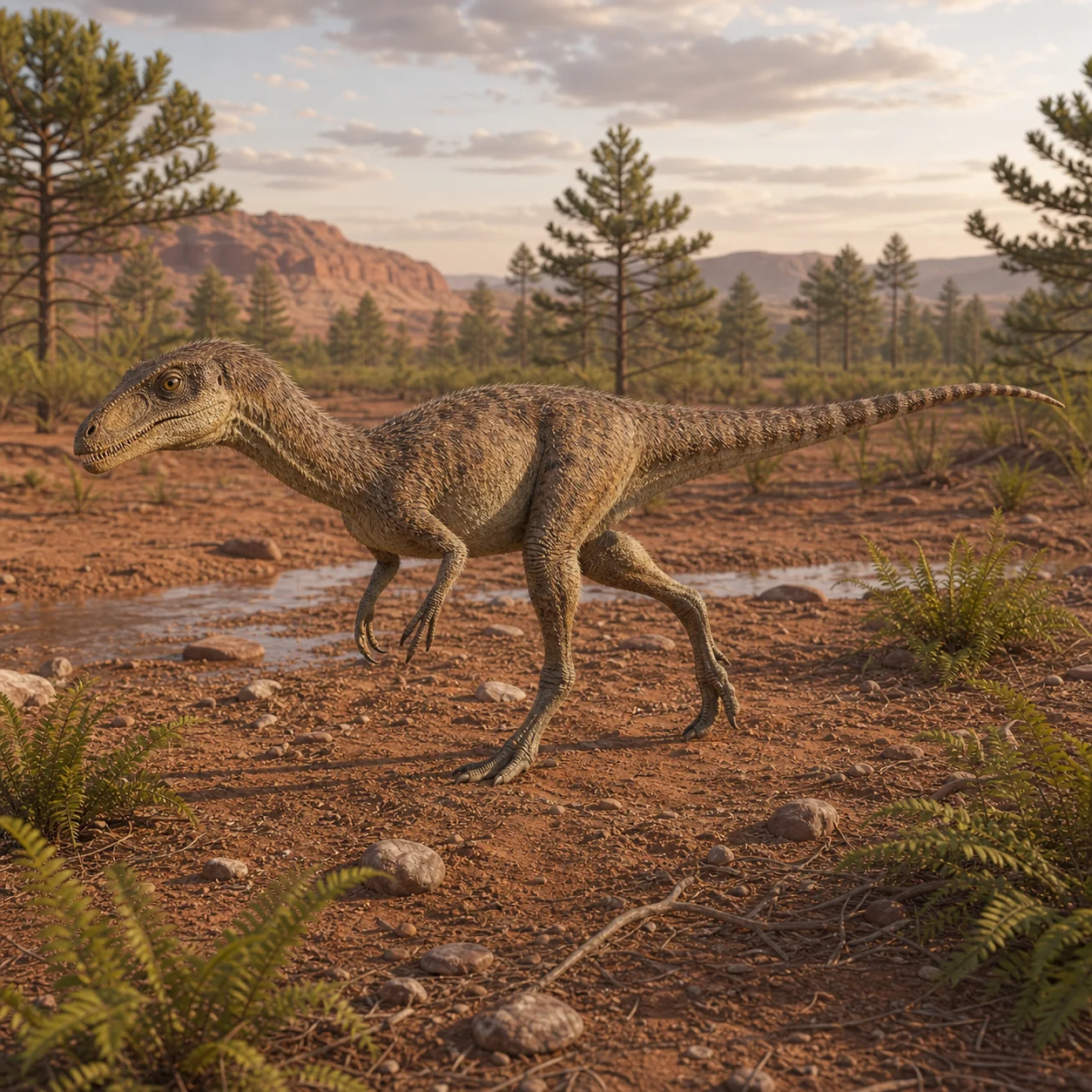
Noasaurus ("Northwestern Argentina lizard") is a genus of ceratosaurian theropod dinosaur from the Maastrichtian (Late Cretaceous) of Argentina. The type and only species is N. leali. The fragmentary holotype specimen of Noasaurus, PVL 4061, consisting of a few cranial and postcranial bones, was discovered from strata from the Lecho Formation of Southern Salta in 1975 by a team led by José Fernando Bonaparte. When described by Bonaparte and in PhD student Jaime Powell in 1980, it was believed to be a coelurosaur theropod and assigned to a family of its own; this family, Noasauridae, still exists, though has been reassigned to Ceratosauria.
Noasaurus was a fairly small theropod, with PVL 4061 measuring somewhere between 1.6–2 m (5.2–6.6 ft) in length. Initially, it was believed that two strongly curved unguals (claws) found alongside the holotype were evidence of raptorial foot claws, like those of dromaeosaurids. However, it is now known that they belonged to Noasaurus' forelimbs, and were thus functionally similar to those of spinosaurids. Therefore, rather than converging on dromaeosaurids, it may have been an opportunistic mesopredator, feeding on small vertebrates, including fish.
- Family
- Noasauridae
- Order
- Saurischia
- Period
- Cretaceous (70.6–66.0 Ma)
- Diet
- Carnivore
- Length
- 2.5 m
- Weight
- 20–30 kg
- Type locality
- El Brete Formation, Salta, Argentina
- Holotype
- PVL 4061
- PBDB
- txn:38630