Valdosaurus
Valdosaurus canaliculatus
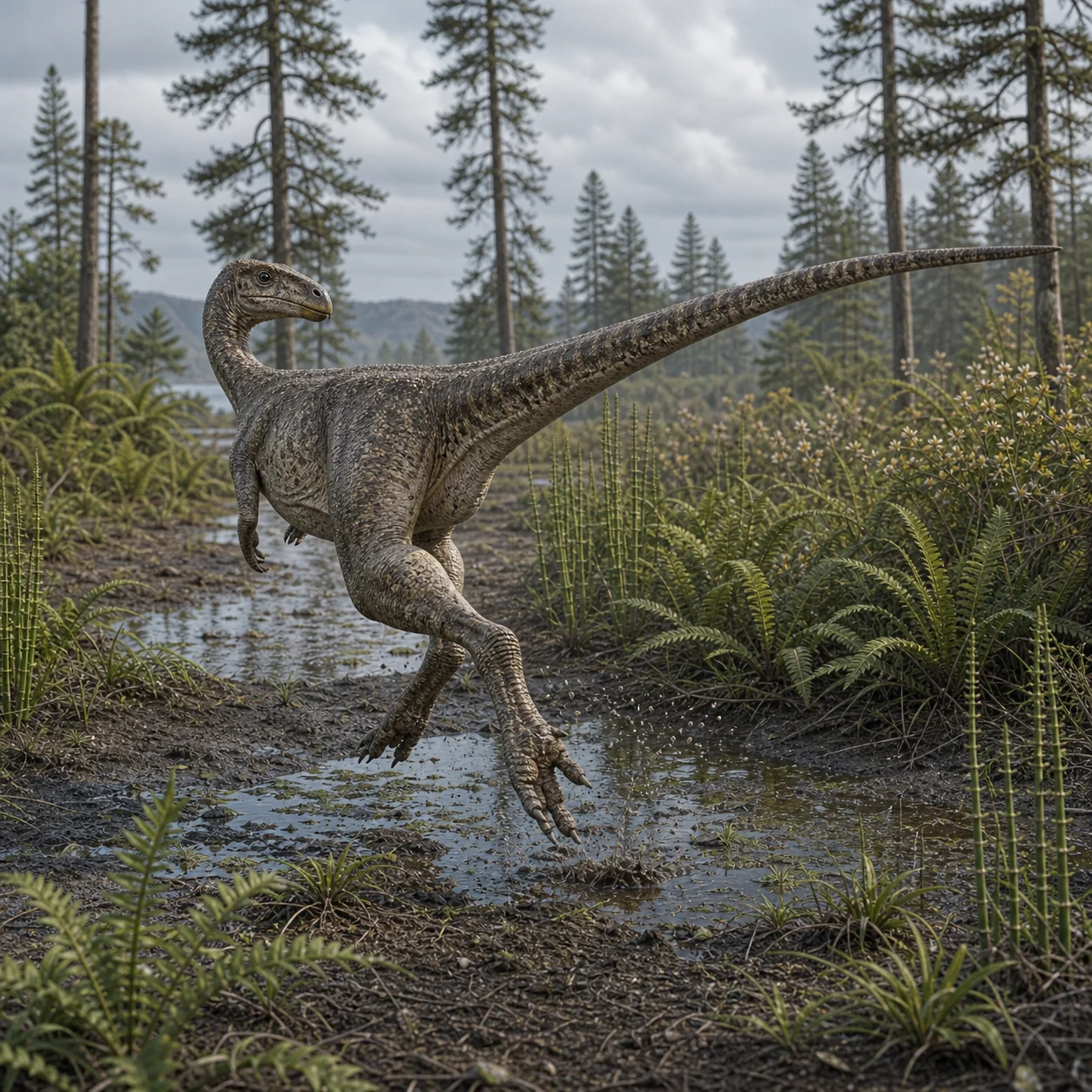
Valdosaurus foi um ornitísquio herbívoro do Cretáceo, descrito por Galton. Viveu há aproximadamente 140.0-130.0 milhões de anos, na região do que hoje é Europa. Medindo de 3.0-4.0 m, pesando 100-200 kg, era um representante característico da fauna mesozoica.
Valdosaurus ("Weald lizard") is a genus of bipedal herbivorous dryosaurid dinosaur known from the Early Cretaceous of the Isle of Wight and elsewhere in England. Originally its remains were believed to belong to Hypsilophodon. In 1889, Richard Lydekker assigned them to Camptosaurus, alongside a partial lower jaw, and applied the name Camptosaurus valdensis. In the 1970s, Peter Galton reassigned these remains to a new species of Dryosaurus, then to an entirely new genus and species, that being Valdosaurus proper. The type and only species of Valdosaurus, named by Galton, is V. canaliculatus.
Numerous specimens have been assigned to Valdosaurus over the years. Some, namely those found in Niger (now Elrhazosaurus), have been reassigned to different genera, while others have simply been redesignated as indeterminate. With that said, additional specimens of V. canaliculatus have been discovered. The most complete is a specimen discovered in 2012 at Compton Bay on the Isle of Wight, which consists of a largely articulated rear half of the animal. Whereas the type specimens were very small, with a femur (thigh bone) length of just 14 cm (0.46 ft) and an estimated body mass of 10 kg (22 lb), larger specimens such as the Compton specimen may have reached body lengths of around 4 m (13 ft) and body masses of roughly 400 kg (880 lb).
- Família
- Dryosauridae
- Ordem
- Ornithischia
- Período
- Cretaceous (140.0-130.0 MYA)
- Dieta
- Herbivore
- Comprimento
- 3.0-4.0 m
- Peso
- 100-200 kg
Fatos científicos
- Medindo 3.0-4.0 m, tinha porte médio para os padrões mesozoicos
- Herbívoro especializado do Cretáceo, provavelmente pastava em vegetação de Europa
- Seus fósseis foram encontrados na região de Europa, contribuindo para o entendimento da fauna cretáceo local
- Foi descrito cientificamente por Galton, contribuindo para o entendimento da diversidade dinossauriana