Troodon
Troodon formosus
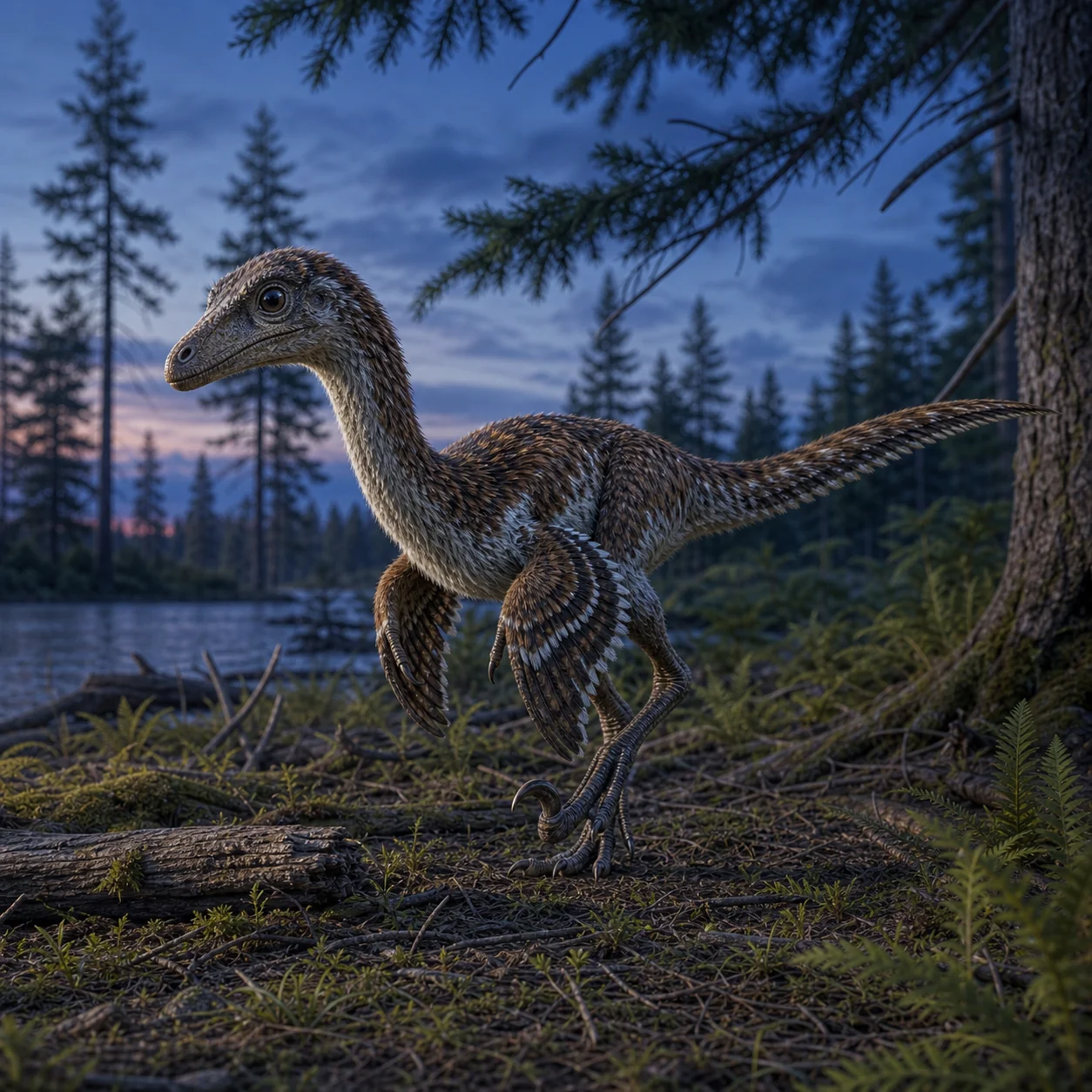
Troodon foi um troodontídeo onívoro do Cretáceo, descrito por Joseph Leidy. Viveu há aproximadamente 77.0-66.0 milhões de anos, na região do que hoje é América do Norte (EUA). Medindo de 2.0-2.4 m, pesando 40-50 kg, era um representante característico da fauna mesozoica.
Troodon ( TROH-ə-don; Troödon in older sources) is a controversial genus of relatively small, bird-like theropod dinosaurs definitively known from the Campanian age of the Late Cretaceous period (about 77 million years ago). It includes at least one species, Troodon formosus, known from Montana. Discovered in October 1855, T. formosus was among the first dinosaurs found in North America, although it was thought to be a lizard until 1877.
Several well-known troodontid specimens from the Dinosaur Park Formation in Alberta have been historically considered members of this genus. In a 2017 analysis, the genus was considered undiagnostic, and some of its specimens were referred to the genus Stenonychosaurus (long believed to be synonymous with Troodon), some to the genus Latenivenatrix, and some to the genus Pectinodon. However, this has been disputed since, and a 2025 paper recommended the designation of a neotype to preserve Troodon's validity, with Stenonychosaurus as a junior synonym. The genus name is Ancient Greek for "wounding tooth", referring to the teeth, which were different from those of most other theropods known at the time of their discovery. The teeth bear prominent, apically oriented serrations. These "wounding" serrations, however, are morphometrically more similar to those of herbivorous reptiles, and suggest a possibly omnivorous diet.
- Família
- Troodontidae
- Ordem
- Saurischia
- Período
- Cretaceous (77.0-66.0 MYA)
- Dieta
- Omnivore
- Comprimento
- 2.0-2.4 m
- Peso
- 40-50 kg
Fatos científicos
- Medindo 2.0-2.4 m, tinha porte médio para os padrões mesozoicos
- Seus fósseis foram encontrados na região de América do Norte (EUA), contribuindo para o entendimento da fauna cretáceo local
- Foi descrito cientificamente por Joseph Leidy, contribuindo para o entendimento da diversidade dinossauriana