Neovenator
Neovenator salerii
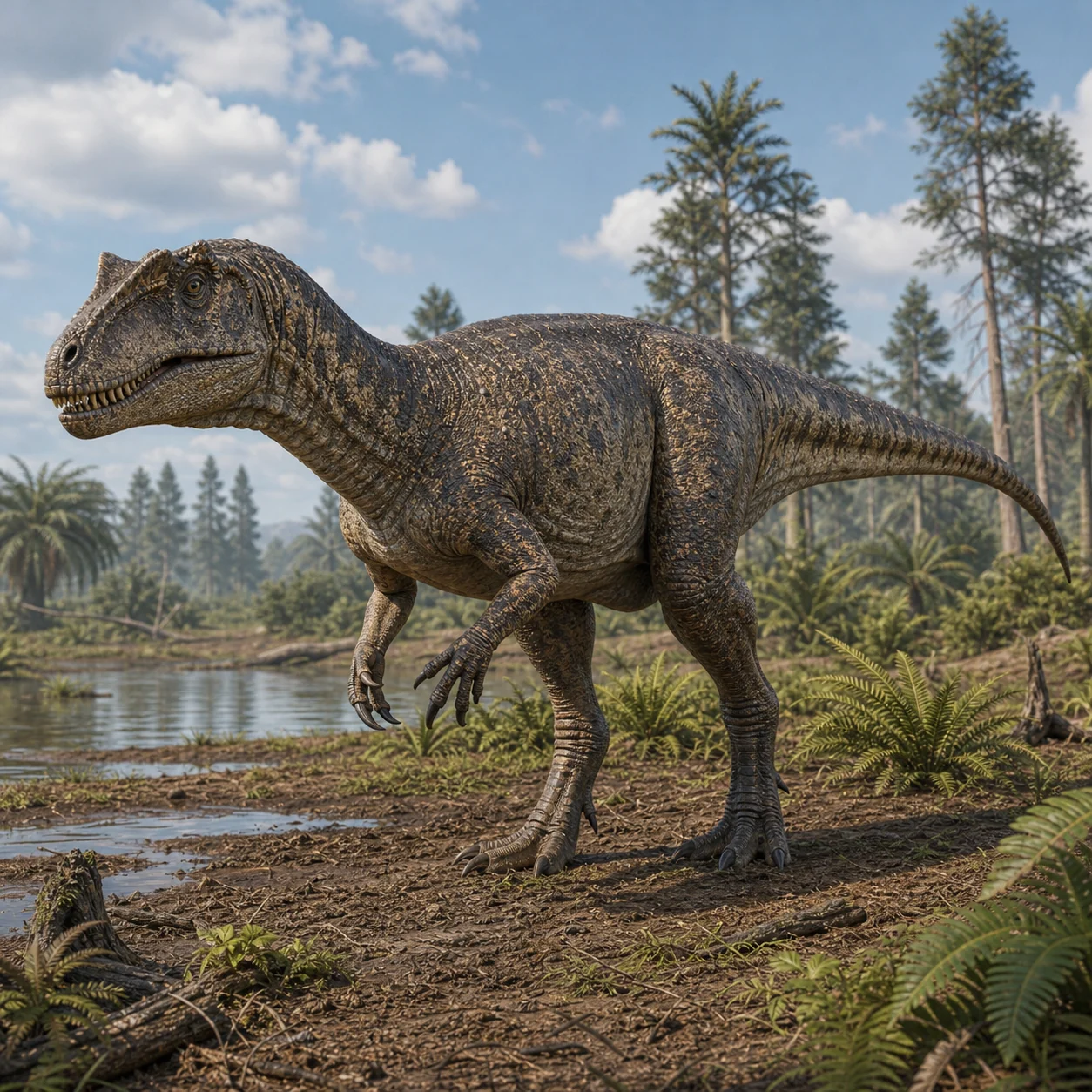
Neovenator foi um terópode carnívoro do Cretáceo, descrito por Steve Hutt. Viveu há aproximadamente 130.0-125.0 milhões de anos, na região do que hoje é Europa. Medindo de 7.0-7.5 m, pesando 1.0-2.0 tons, era um representante característico da fauna mesozoica.
Neovenator (nˈiːə͡ʊvˌɛne͡ɪtə; "new hunter") is an extinct genus of carcharodontosaurian theropod dinosaur. It is known primarily from several skeletons found in the Early Cretaceous (Hauterivian–Barremian) Wessex Formation on the south coast of the Isle of Wight, southern England. The first remains of Neovenator were discovered in 1978 alongside those of the ornithopod Brighstoneus, after the collapse of part of Grange Chine. In 1996, Steve Hutt, David Martill and Michael Barker named the genus Neovenator. One species is known: the type species, N. salerii, after the Salero family who owned the site on which its remains were discovered.
Between the type specimen and multiple referred specimens, roughly seventy per cent of Neovenator's skeleton is known. While incompletely known, it was likely around 7 metres (23 ft) in length, and probably weighed 1 metric ton (1.1 short tons), though a specimen possibly referrable to the genus indicates a larger body size of 10 metres (33 ft). Its skull is known from both premaxillae, parts of the left maxilla, right nasal, right palatine, and the front portion of a dentary. The snout of Neovenator is covered in rugosities, similar to carcharodontosaurids and abelisaurids, which indicates that it either had an extensive blood supply, possibly for thermoregulation, or an extensive neurovascular system, possibly for tactile purposes. However, this hypothesis has seen scrutiny. Teeth found in association with the type specimen of Neovenator, while they do possess the characteristic enamel wrinkles of carcharodontosaur teeth, differ in their precise pattern.
The taxonomic position of Neovenator has been a subject of debate. Prior to its description, its fragmentary remains led to a tentative referral to Megalosaurus.…
- Família
- Neovenatoridae
- Ordem
- Saurischia
- Período
- Cretaceous (130.0-125.0 MYA)
- Dieta
- Carnivore
- Comprimento
- 7.0-7.5 m
- Peso
- 1.0-2.0 tons
Fatos científicos
- Medindo 7.0-7.5 m, tinha porte médio para os padrões mesozoicos
- Como carnívoro do Cretáceo, ocupava papel de predador ativo em seu ecossistema
- Seus fósseis foram encontrados na região de Europa, contribuindo para o entendimento da fauna cretáceo local
- Foi descrito cientificamente por Steve Hutt, contribuindo para o entendimento da diversidade dinossauriana