Hypsilophodon
Hypsilophodon foxii
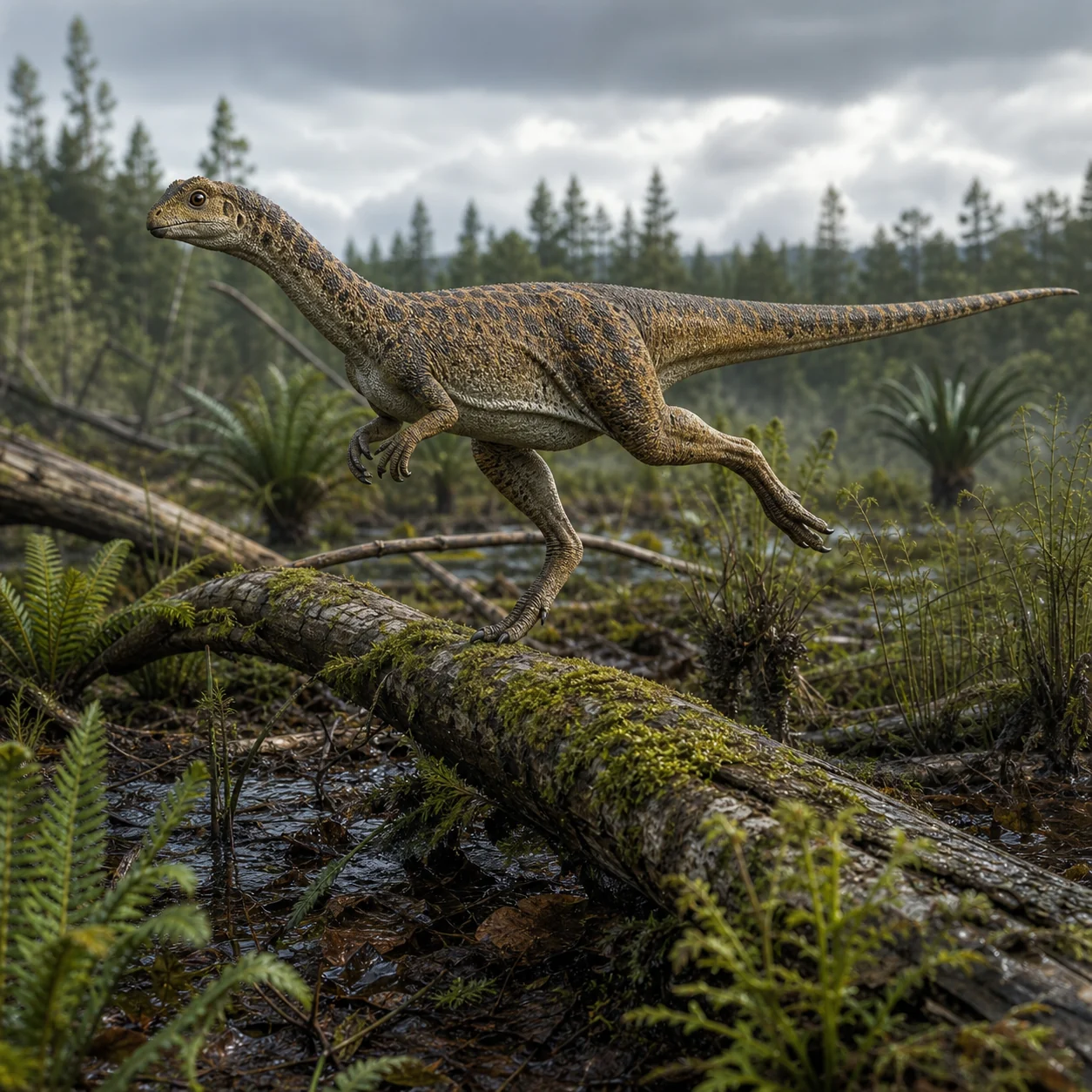
Hypsilophodon foi um ornitísquio herbívoro do Cretáceo, descrito por Thomas Henry Huxley. Viveu há aproximadamente 154.8-125.8 milhões de anos, na região do que hoje é Europa. Medindo de 1.5-2.3 m, pesando 20-70 kg, era um representante característico da fauna mesozoica.
Hypsilophodon (; meaning "high-crested tooth") is a neornithischian dinosaur genus from the Early Cretaceous period of England. It has traditionally been considered an early member of the group Ornithopoda, but recent research has put this into question.
The first remains of Hypsilophodon were found in 1849; the type species, Hypsilophodon foxii, was named in 1869. Abundant fossil discoveries were made on the Isle of Wight, giving a good impression of the build of the species. It was a small, agile bipedal herbivore, measuring 1.5–2 m (4.9–6.6 ft) long and weighing 20 kg (44 lb). It had a pointed head equipped with a sharp beak used to bite off plant material, much like modern-day parrots.
Some outdated studies have given rise to a number of misconceptions about Hypsilophodon, including that it was an armoured, arboreal animal, and that it could be found in areas outside of the Isle of Wight. However, research from the following years has shown these ideas to be incorrect.
- Família
- Hypsilophodontidae
- Ordem
- Ornithischia
- Período
- Cretaceous (154.8-125.8 MYA)
- Dieta
- Herbivore
- Comprimento
- 1.5-2.3 m
- Peso
- 20-70 kg
Fatos científicos
- Com apenas 1.5-2.3 m, era considerado um dinossauro de pequeno porte
- Herbívoro especializado do Cretáceo, provavelmente pastava em vegetação de Europa
- Seus fósseis foram encontrados na região de Europa, contribuindo para o entendimento da fauna cretáceo local
- Foi descrito cientificamente por Thomas Henry Huxley, contribuindo para o entendimento da diversidade dinossauriana