Euhelopus
Euhelopus zdanskyi
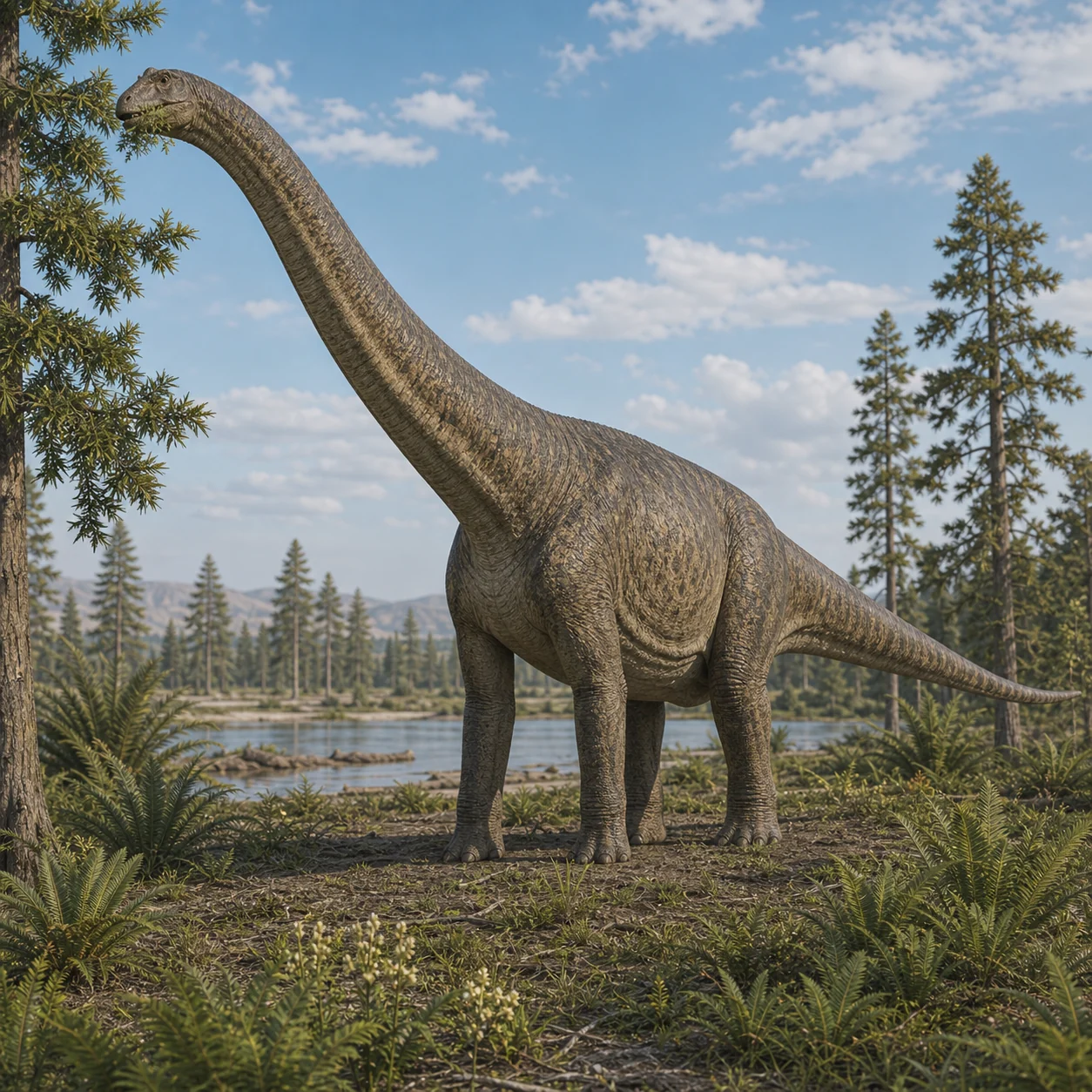
Euhelopus foi um terópode herbívoro do Cretáceo, descrito por Otto Zdansky. Viveu há aproximadamente 130.0-113.0 milhões de anos, na região do que hoje é China. Medindo de 12.0-15.0 m, pesando 3.0-5.0 tons, era um representante característico da fauna mesozoica.
Euhelopus is a genus of sauropod dinosaur that lived between 143 and 133 million years ago during the Berriasian and Valanginian ages of the Early Cretaceous in what is now Shandong Province in China. It was a large quadrupedal herbivore. Like sauropods such as brachiosaurids and titanosaurs, Euhelopus had longer forelimbs than hindlimbs. This discovery was paleontologically significant because it represented the first dinosaur scientifically investigated from China: seen in 1913, rediscovered in 1922, excavated in 1923, and studied by T'an during the same year. Unlike most sauropod specimens, it has a relatively complete skull. Euhelopus was a long-necked sauropod similar to Mamenchisaurus, but its affinities are controversial. Most studies favor a close relationship between Euhelopus and titanosaurs, rather than mamenchisaurids.
- Família
- Camarasauridae
- Ordem
- Saurischia
- Período
- Cretaceous (130.0-113.0 MYA)
- Dieta
- Herbivore
- Comprimento
- 12.0-15.0 m
- Peso
- 3.0-5.0 tons
Fatos científicos
- Seu comprimento de 12.0-15.0 m o tornava um dos maiores predadores/herbívoros da sua região
- Herbívoro especializado do Cretáceo, provavelmente pastava em vegetação de China
- Seus fósseis foram encontrados na região de China, contribuindo para o entendimento da fauna cretáceo local
- Foi descrito cientificamente por Otto Zdansky, contribuindo para o entendimento da diversidade dinossauriana