Carcharodontosaurus
Carcharodontosaurus saharicus
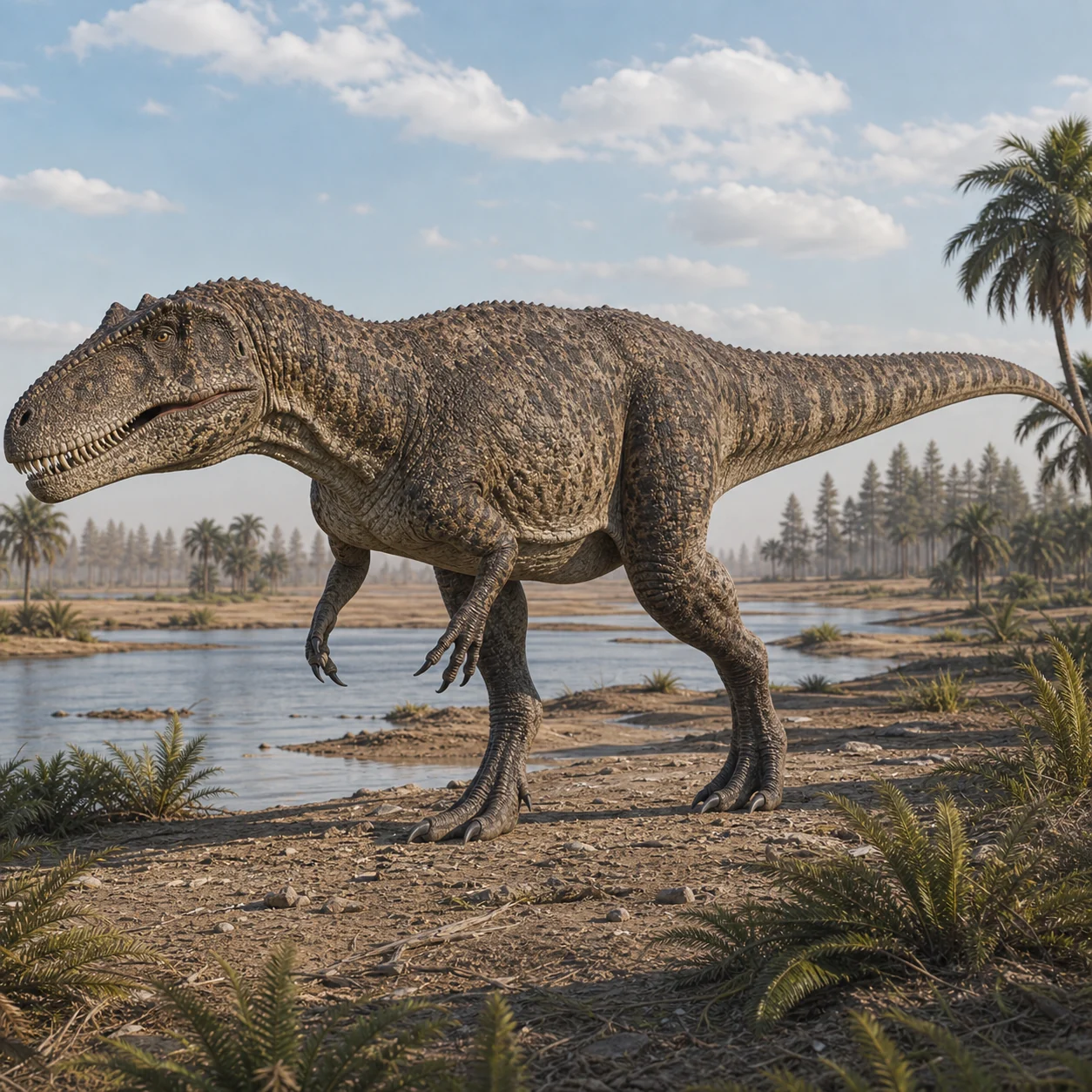
Carcharodontosaurus foi um terópode carnívoro do Cretáceo, descrito por Charles Depéret, J. Savornin. Viveu há aproximadamente 143.1-83.6 milhões de anos, na região do que hoje é África. Medindo de 11.0-13.0 m, pesando 3.0-6.2 tons, era um representante característico da fauna mesozoica.
Carcharodontosaurus (; "shark-toothed lizard") is a genus of large theropod dinosaur that lived in Northwest Africa from about 100 to 94 million years ago during the Cenomanian age of the Cretaceous. The genus was first described in 1925 by French paleontologists Charles Depéret and Justin Savornin as Megalosaurus saharicus, based on two fossil teeth discovered in Algeria, which are now lost. A partial skeleton was discovered in Egypt as early as 1914 by crews of German paleontologist Ernst Stromer, although he did not report the find until 1931. Based on this specimen as well as the teeth previously described by Depéret and Savornin, Stromer established the genus Carcharodontosaurus, with C. saharicus as the only species. Although the Egyptian skeleton was destroyed during World War II, it was redescribed as a closely related but distinct genus, Tameryraptor, based on historical photographs in 2025. In 1995, a large incomplete skull attributed to C. saharicus was discovered in the Kem Kem Beds of Morocco, which was officially proposed as the neotype (specimen the species is based on) in 2007. In the same year, fossils unearthed from the Farak Formation of Niger were described and named as another species, C. iguidensis, though this taxon might belong to a different genus.
C. saharicus reached around 12 m (39 ft) in length and approximately 5–7 metric tons (5.5–7.7 short tons) in body mass, and was therefore one of the largest theropod dinosaurs known. It had a large, lightly built skull with a triangular snout. Its jaws were lined with sharp, recurved, and serrated teeth that bear striking resemblances to those of the great white shark (genus Carcharodon), the inspiration for the name.…
- Família
- Carcharodontosauridae
- Ordem
- Saurischia
- Período
- Cretaceous (143.1-83.6 MYA)
- Dieta
- Carnivore
- Comprimento
- 11.0-13.0 m
- Peso
- 3.0-6.2 tons
Fatos científicos
- Seu comprimento de 11.0-13.0 m o tornava um dos maiores predadores/herbívoros da sua região
- Como carnívoro do Cretáceo, ocupava papel de predador ativo em seu ecossistema
- Seus fósseis foram encontrados na região de África, contribuindo para o entendimento da fauna cretáceo local
- Foi descrito cientificamente por Charles Depéret, J. Savornin, contribuindo para o entendimento da diversidade dinossauriana