Atrociraptor
Atrociraptor marshalli
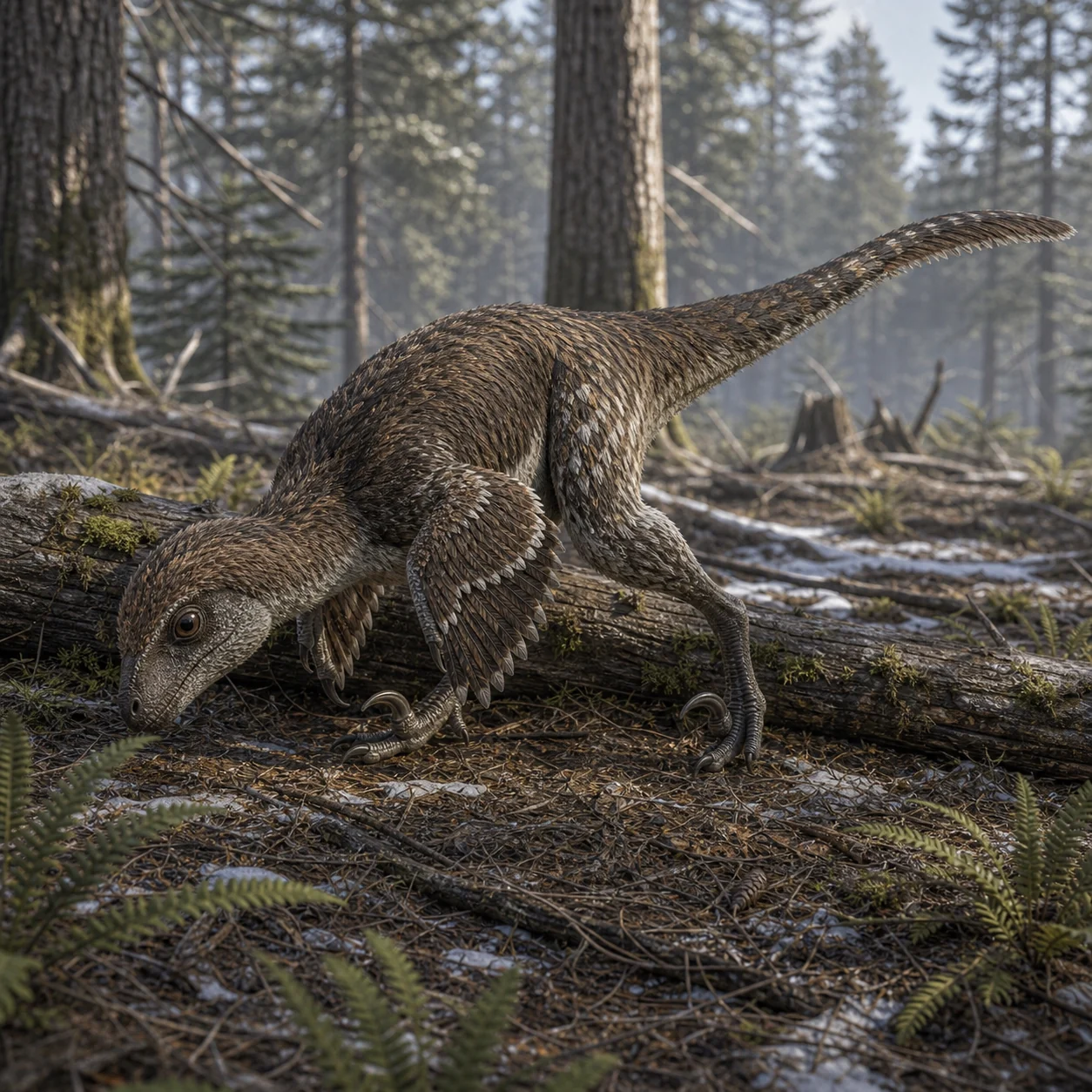
Atrociraptor foi um dromeossaurídeo carnívoro do Cretáceo, descrito por Philip J. Currie & David Varricchio. Viveu há aproximadamente 70 milhões de anos, na região do que hoje é Canadá. Medindo de 2.0 m, pesando 15 kg, era um representante característico da fauna mesozoica.
Atrociraptor () is a genus of dromaeosaurid dinosaur that lived during the Late Cretaceous in what is now Alberta, Canada. The first specimen, a partial skull, was discovered in 1995 by the fossil collector Wayne Marshall in the Horseshoe Canyon Formation, about 5 km (3 mi) from the Royal Tyrrell Museum of Palaeontology where it was brought for preparation. In 2004, the specimen became the holotype of the new genus and species Atrociraptor marshalli; the generic name is Latin for "savage robber", and the specific name refers to Marshall. The holotype consists of the premaxillae (frontmost bones of the upper jaw), a maxilla (main bone of the upper jaw), the dentaries (tooth-bearing bones of the lower jaw), associated teeth, and other skull fragments. Isolated teeth from the same formation have since been assigned to Atrociraptor.
Estimated to have measured about 1.8–2 m (5.9–6.6 ft) in length and weighed 15 kg (33 lb), Atrociraptor was a relatively small dromaeosaurid. As a dromaeosaurid, it would have had a large sickle-claw on the second toe and pennaceous feathers. Atrociraptor differs from its contemporary relatives in that its face is much deeper, and its teeth are more strongly inclined backwards than in most other dromaeosaurids and are almost all the same size. It also differed from most relatives in details of the skull, such as the part of the premaxilla below the nostril being taller than long, and in that its maxillary fenestra was larger. The fragmentary nature of the holotype has made the exact relations of Atrociraptor uncertain; it was initially thought to be a velociraptorine, but is now considered a saurornitholestine.
Atrociraptor is thought to have been specialised for attacking larger prey than other dromaeosaurids, due to its deep snout.…
- Família
- Dromaeosauridae
- Ordem
- Saurischia
- Período
- Cretaceous (70 Ma)
- Dieta
- Carnivore
- Comprimento
- 2.0 m
- Peso
- 15 kg
Fatos científicos
- Medindo 2.0 m, tinha porte médio para os padrões mesozoicos
- Possuía garras falciformes retráteis usadas para imobilizar presas — não para cortar
- Seus fósseis foram encontrados na região de Canadá, contribuindo para o entendimento da fauna cretáceo local
- Foi descrito cientificamente por Philip J. Currie & David Varricchio, contribuindo para o entendimento da diversidade dinossauriana