Albertonykus
Albertonykus borealis
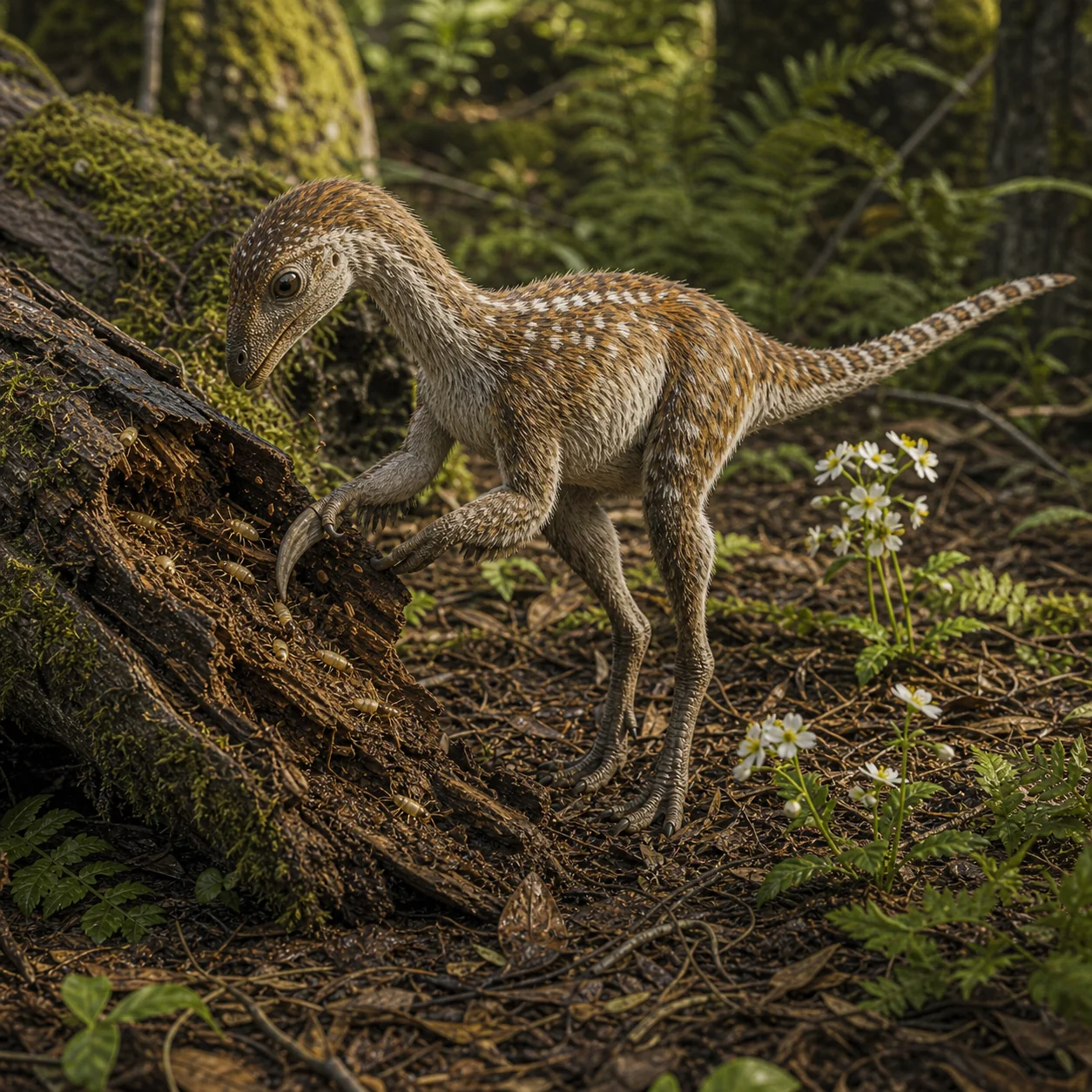
Albertonykus foi um terópode onívoro do Cretáceo, descrito por Nicholas Longrich & Philip Currie. Viveu há aproximadamente 70 milhões de anos, na região do que hoje é Canadá. Medindo de 0.7 m, pesando 0.34 kg, era um representante característico da fauna mesozoica.
Albertonykus (meaning "Alberta claw") is an extinct genus of alvarezsaurid dinosaur from the Maastrichtian-age (Upper Cretaceous) rocks of the Horseshoe Canyon Formation of Alberta, Canada. It is known from forelimb and hindlimb remains from multiple individuals. All but two of the specimens come from a bonebed dominated by Albertosaurus, located at the top of Unit 4 of the Horseshoe Canyon Formation, dating to ~68.5 million years ago.
Albertonykus is interpreted as having fed on wood-nesting termites because the forelimbs appear specialized for digging but are too short for burrowing. Albertonykus is the earliest known North American alvarezsaurid. Isolated bones of alvarezsaurids are known from late Maastrichtian rocks in Montana and Wyoming (USA). The bones now belonged to a new genus, Trierarchuncus.
The type species is A. borealis, described by Nick Longrich and Phillip Currie in 2009. The specific name (borealis) means "north".
- Família
- Alvarezsauridae
- Ordem
- Saurischia
- Período
- Cretaceous (70 Ma)
- Dieta
- Omnivore
- Comprimento
- 0.7 m
- Peso
- 0.34 kg
Fatos científicos
- Com apenas 0.7 m, era considerado um dinossauro de pequeno porte
- Seus fósseis foram encontrados na região de Canadá, contribuindo para o entendimento da fauna cretáceo local
- Foi descrito cientificamente por Nicholas Longrich & Philip Currie, contribuindo para o entendimento da diversidade dinossauriana